When it comes to managing blood sugar and boosting metabolism, you need to focus on what you eat. It’s not just about cutting out sugar; it’s about incorporating nutrient-dense foods that support your body. Understanding how blood sugar and metabolism work is essential. By making simple changes to your diet and meal timing, you can achieve better control. Curious about how to create a balanced plan that fits your lifestyle? Let’s explore the details.
Understanding Blood Sugar and Metabolism
Understanding blood sugar and metabolism is crucial for maintaining overall health, especially if you’re managing diabetes or prediabetes.
Blood sugar, or glucose, serves as your body’s primary energy source. When you eat, your body breaks down carbohydrates into glucose, which enters your bloodstream. Insulin, a hormone produced by your pancreas, helps cells absorb this glucose for energy.
If your metabolism functions efficiently, it balances blood sugar levels, preventing spikes and crashes. However, if your metabolism’s impaired, you might experience elevated blood sugar levels, leading to complications.
By knowing how your body processes glucose, you can make informed choices about your diet and lifestyle, ultimately supporting better blood sugar control and metabolic health.
Key Nutrients for Blood Sugar Control
To effectively manage blood sugar levels, focusing on key nutrients is vital. Incorporating fiber-rich foods, like whole grains, fruits, and vegetables, helps slow down glucose absorption. This can prevent spikes in your blood sugar.
Next, lean proteins such as chicken, fish, and legumes can promote satiety and stabilize blood sugar levels. Healthy fats, like those found in avocados, nuts, and olive oil, support overall metabolic health and can reduce insulin resistance.
Additionally, magnesium-rich foods, such as leafy greens and seeds, play a crucial role in glucose metabolism. Ensuring you get enough chromium through foods like broccoli and whole grains can also enhance insulin sensitivity.
Meal Timing and Frequency Strategies
Meal timing and frequency can significantly impact blood sugar management. To maintain stable blood sugar levels, consider eating smaller, more frequent meals throughout the day. This approach can help prevent large spikes and dips in your glucose levels.
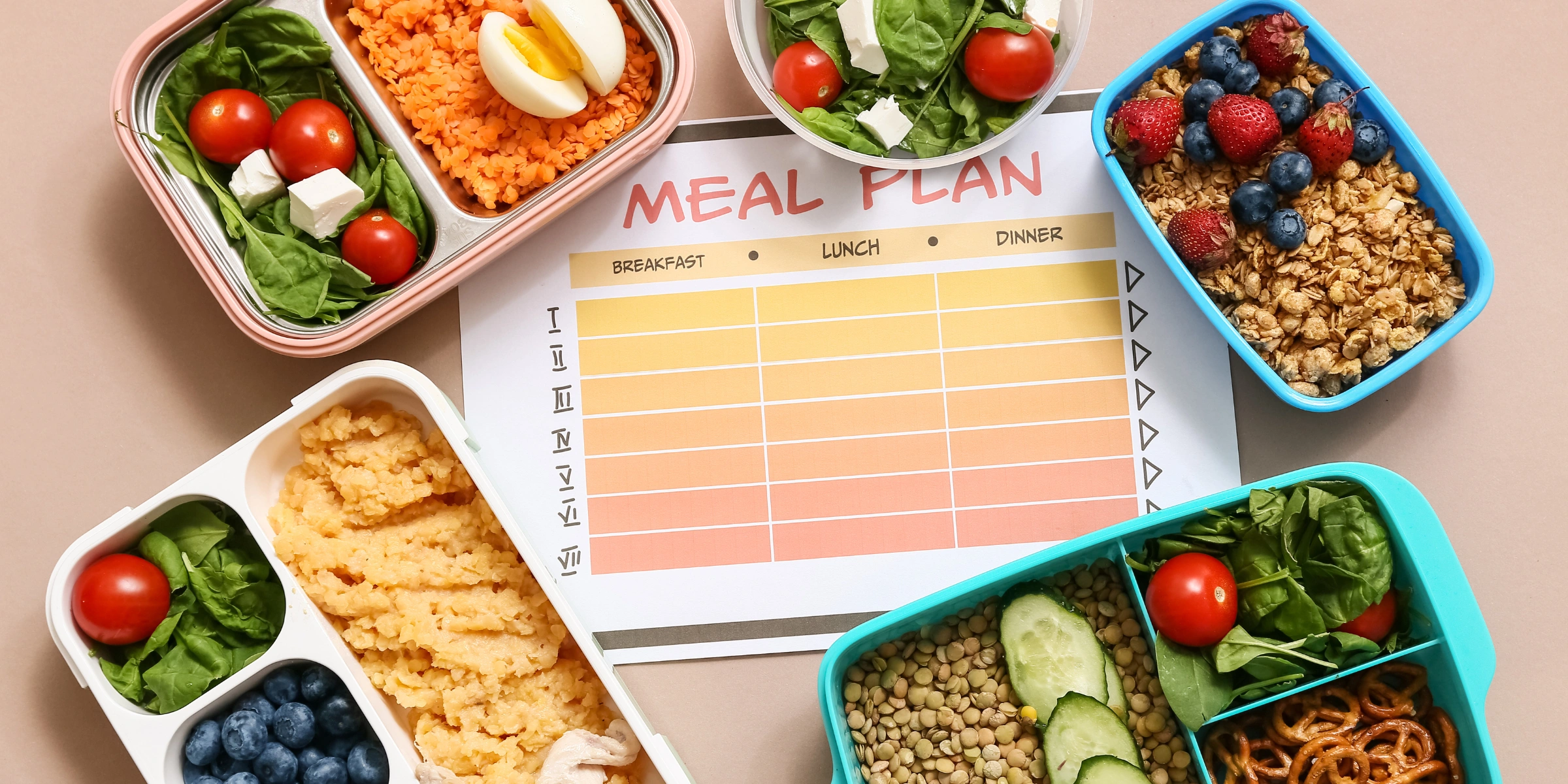
Aim for three balanced meals and two healthy snacks to keep your metabolism active and energy levels steady.
Try to space your meals about 3-4 hours apart. This timing can help your body better process glucose and improve insulin sensitivity.
Additionally, be mindful of your eating schedule; consistent meal times can train your body to optimize digestion and absorption.
Remember to listen to your hunger cues, and don’t skip meals, as this can lead to overeating later and disrupt your blood sugar balance.
Creating a Balanced Meal Plan
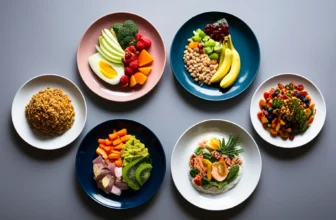
Creating a balanced meal plan is essential for managing blood sugar levels effectively. Focus on including a variety of whole foods in your meals.
Start with lean proteins like chicken, fish, or legumes, which help stabilize blood sugar. Pair these with non-starchy vegetables such as leafy greens, broccoli, or bell peppers for added fiber and nutrients.
Don’t forget healthy fats from sources like avocados, nuts, and olive oil to enhance satiety. Choose whole grains like quinoa or brown rice in moderation for complex carbohydrates.
Lastly, limit processed foods and sugary snacks, as they can cause spikes in blood sugar. By planning your meals around these principles, you’ll nourish your body while keeping blood sugar levels steady.
Conclusion
Incorporating a diet rich in whole, nutrient-dense foods is essential for managing blood sugar and boosting your metabolism. Focus on fiber-rich vegetables, lean proteins, and healthy fats while limiting processed foods and sugars. Remember to space your meals throughout the day and stay hydrated. By making these changes and combining them with regular physical activity, you’ll enhance your overall health and well-being, keeping your blood sugar stable and your metabolism thriving.