Clean eating can seem overwhelming at first, but it doesn’t have to be. By focusing on whole, unprocessed foods, you can easily make healthier choices without feeling deprived. This approach is all about understanding what your body needs and how to prepare meals that nourish you. Once you grasp the basics, you’ll find that maintaining this lifestyle is simpler than you might think. So, what are the essential foods you should include?
Understanding Clean Eating: The Basics
When you dive into clean eating, you’ll find it’s all about choosing whole, unprocessed foods that nourish your body. This approach emphasizes fresh fruits, vegetables, lean proteins, and healthy fats while avoiding added sugars, refined grains, and artificial ingredients.
It’s not just a diet; it’s a lifestyle shift. You’ll start to pay attention to food labels, learning to recognize what’s truly beneficial. By prioritizing these nutrient-dense options, you’ll fuel your body effectively, leading to increased energy and improved overall health.
Remember, clean eating doesn’t mean deprivation; it’s about enjoying wholesome meals that satisfy you. By making these conscious choices, you’ll cultivate a deeper connection with your food and, ultimately, your well-being.
Embrace this journey, and you’ll reap the rewards.
Essential Foods for a Clean Eating Diet
Essential foods are the foundation of a clean eating diet, fueling your body with the nutrients it craves.
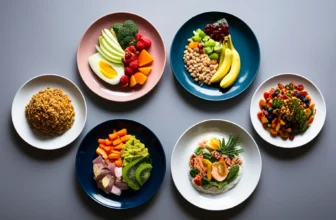
Focus on whole, unprocessed foods like fresh fruits and vegetables; they’re packed with vitamins and minerals. Incorporate whole grains such as quinoa, brown rice, and oats for energy and fiber.
Don’t forget about lean proteins like chicken, fish, beans, and legumes, which help with muscle repair and keep you full. Healthy fats, like avocados, nuts, and olive oil, are essential for brain health.
Lastly, choose natural sweeteners like honey or maple syrup over refined sugars. By filling your plate with these essentials, you’ll nourish your body and support your clean eating journey effectively.
Sample Meal Plan for Beginners
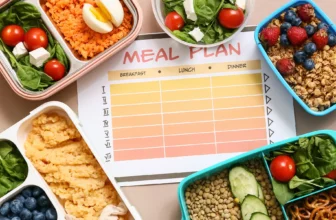
Creating a sample meal plan for beginners can make the transition to clean eating smoother and more enjoyable.
Start your day with a hearty breakfast of oatmeal topped with fresh berries and a drizzle of honey.
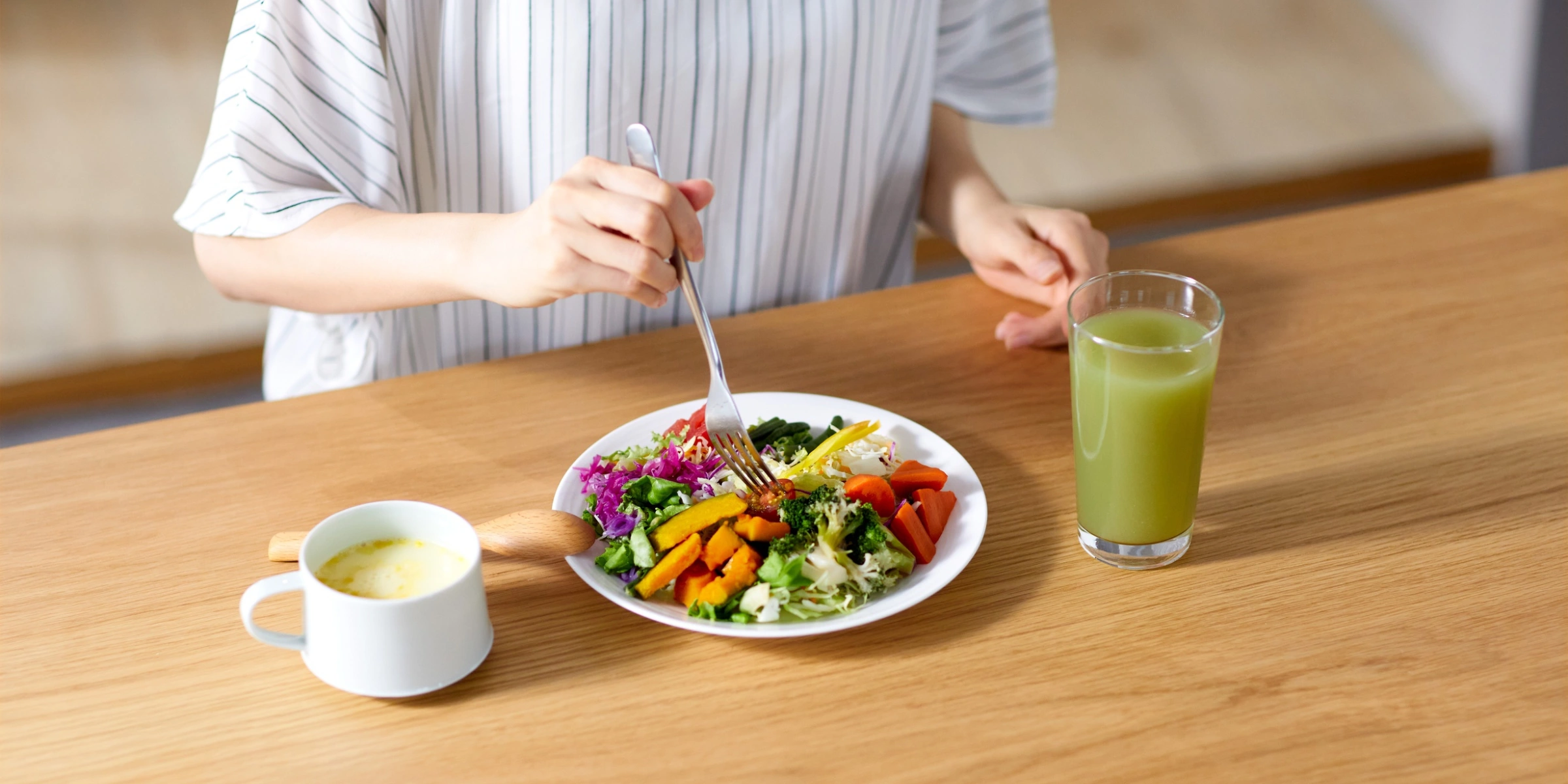
For lunch, enjoy a colorful salad filled with leafy greens, cherry tomatoes, cucumbers, and grilled chicken, dressed with olive oil and lemon juice.
Snack on a handful of almonds or a piece of fruit.
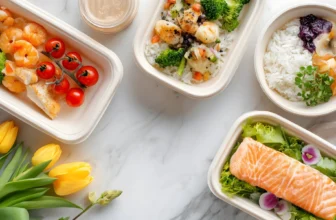
Dinner could feature baked salmon, quinoa, and steamed broccoli for a balanced meal.
Remember to stay hydrated by drinking plenty of water throughout the day.
This simple meal plan provides a variety of nutrients while keeping things straightforward, making it easier for you to embrace clean eating wholeheartedly.
Tips for Maintaining a Clean Eating Lifestyle
After you’ve embraced a clean eating meal plan, the next step is to maintain that lifestyle long-term. Start by planning your meals each week; this keeps you focused and reduces the temptation to grab unhealthy options.
Stock your pantry with clean ingredients, like whole grains, fresh produce, and lean proteins. Don’t forget to prioritize hydration—drink plenty of water daily.
When dining out, review menus ahead of time and choose dishes that align with your clean eating goals. Stay mindful of portion sizes, and listen to your body’s hunger cues.
Lastly, find a support system, whether it’s friends, family, or online communities, to motivate you and share tips. Consistency is key, so keep pushing forward!
Conclusion
Incorporating clean eating into your lifestyle doesn’t have to be overwhelming. By focusing on whole, unprocessed foods and planning your meals ahead, you’ll not only nourish your body but also enjoy the journey of discovering new flavors and recipes. Remember to stock your pantry with essential ingredients and stay hydrated. With these simple steps, you can maintain a clean eating lifestyle that boosts your energy and supports your long-term health. Start today, and experience the benefits for yourself!