Creating a personalized diet plan that truly works starts with understanding your unique goals and lifestyle. You’re not just looking to lose weight or gain muscle; you want something that fits seamlessly into your daily routine. By considering your food preferences and any dietary restrictions, you can develop a balanced meal plan tailored just for you. But how do you ensure it stays effective over time? Let’s explore the steps you need to take.
Assess Your Goals and Needs
When you’re setting out to create a personalized diet plan, have you considered what your specific goals and needs are? Identifying your objectives is crucial.
Are you looking to lose weight, gain muscle, or just maintain your current health? Each goal requires a different approach.
Next, evaluate your lifestyle. Do you have time for meal prep, or do you need quick options?
Think about any dietary restrictions or health conditions that might influence your choices.
Take note of how active you are, as this impacts your nutritional needs.
By understanding these factors, you’ll create a solid foundation for your diet plan, ensuring it aligns with your personal aspirations and lifestyle.
This clarity will make it easier to stick to your plan in the long run.
Understand Your Food Preferences
How well do you know your food preferences? Understanding what you enjoy eating is crucial for sticking to a diet plan. Take some time to think about your favorite flavors, textures, and cuisines.
Do you prefer spicy, sweet, or savory dishes? Are you more drawn to crunchy snacks or creamy foods?
Consider any dietary restrictions or allergies you have, as they’ll shape your choices too. Make a list of foods you love and those you can’t stand. This’ll help you create meals that excite you rather than feel like a chore.
Create a Balanced Meal Plan
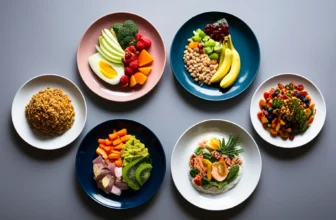
To create a balanced meal plan, start by including a variety of food groups that nourish your body and align with your preferences. Incorporate fruits, vegetables, whole grains, lean proteins, and healthy fats. Aim for colorful plates to ensure you’re getting essential vitamins and minerals.
Try to balance your meals with appropriate portion sizes—half your plate should be fruits and veggies, a quarter lean protein, and a quarter whole grains. Don’t forget to include snacks that are nutritious, like nuts or yogurt, to keep your energy up throughout the day.
Plan your meals ahead of time to avoid last-minute unhealthy choices. Lastly, listen to your body’s hunger cues to maintain a sustainable and enjoyable eating experience.
Monitor and Adjust Your Progress
Creating a balanced meal plan is just the beginning; the next step is to monitor and adjust your progress. Track your meals, workouts, and how you feel. Use a journal or an app to record everything, making it easier to identify patterns.
Check your weight and measurements weekly, but don’t obsess over daily fluctuations. Look for trends instead. If you’re not losing weight or feeling energized, reassess your calorie intake and portion sizes.
Also, consider your activity levels; are you moving enough? Flexibility is key—don’t hesitate to tweak your plan based on your observations.
Conclusion
Creating a personalized diet plan is all about finding what works for you. By assessing your goals, understanding your food preferences, and crafting a balanced meal plan, you set the stage for success. Don’t forget to monitor your progress and make adjustments as needed. Remember, the key is to enjoy the journey and stay flexible as your needs evolve. With dedication and a bit of creativity, you can achieve your dietary goals and maintain a healthy lifestyle!