When you’re starting out on your journey to a balanced diet, it can feel overwhelming. You might wonder what to fill your plate with and why it matters. Understanding the role of macronutrients and micronutrients is crucial for your health. By focusing on the right food groups, you can nourish your body effectively. But what does a balanced plate actually look like? Let’s explore how to create meals that support your goals.
Understanding Macronutrients: Carbohydrates, Proteins, and Fats
When it comes to nutrition, understanding macronutrients—carbohydrates, proteins, and fats—is essential for maintaining a balanced diet.
Carbohydrates are your body’s primary energy source, fueling your daily activities. You’ll find them in foods like grains, fruits, and vegetables.
Proteins play a crucial role in repairing tissues and building muscles. Incorporating lean meats, dairy, beans, and nuts into your meals can help meet your protein needs.
Fats, often misunderstood, are vital for hormone production and nutrient absorption. Focus on healthy fats from sources like avocados, olive oil, and fish.
Balancing these macronutrients ensures your body gets the energy and nutrients it needs to function optimally.
The Role of Vitamins and Minerals in Your Diet
While macronutrients provide the energy your body needs, vitamins and minerals play a vital role in overall health and well-being.
These micronutrients support numerous functions, including immune system performance, bone health, and wound healing. Vitamins like A, C, D, and E help maintain skin integrity, vision, and cell function, while B vitamins are crucial for energy production.
Minerals such as calcium, potassium, and iron contribute to muscle function, nerve signaling, and oxygen transport in your blood.
A balanced diet rich in fruits, vegetables, whole grains, and lean proteins ensures you get a mix of these essential nutrients.
Building a Balanced Plate: Portion Sizes and Food Groups
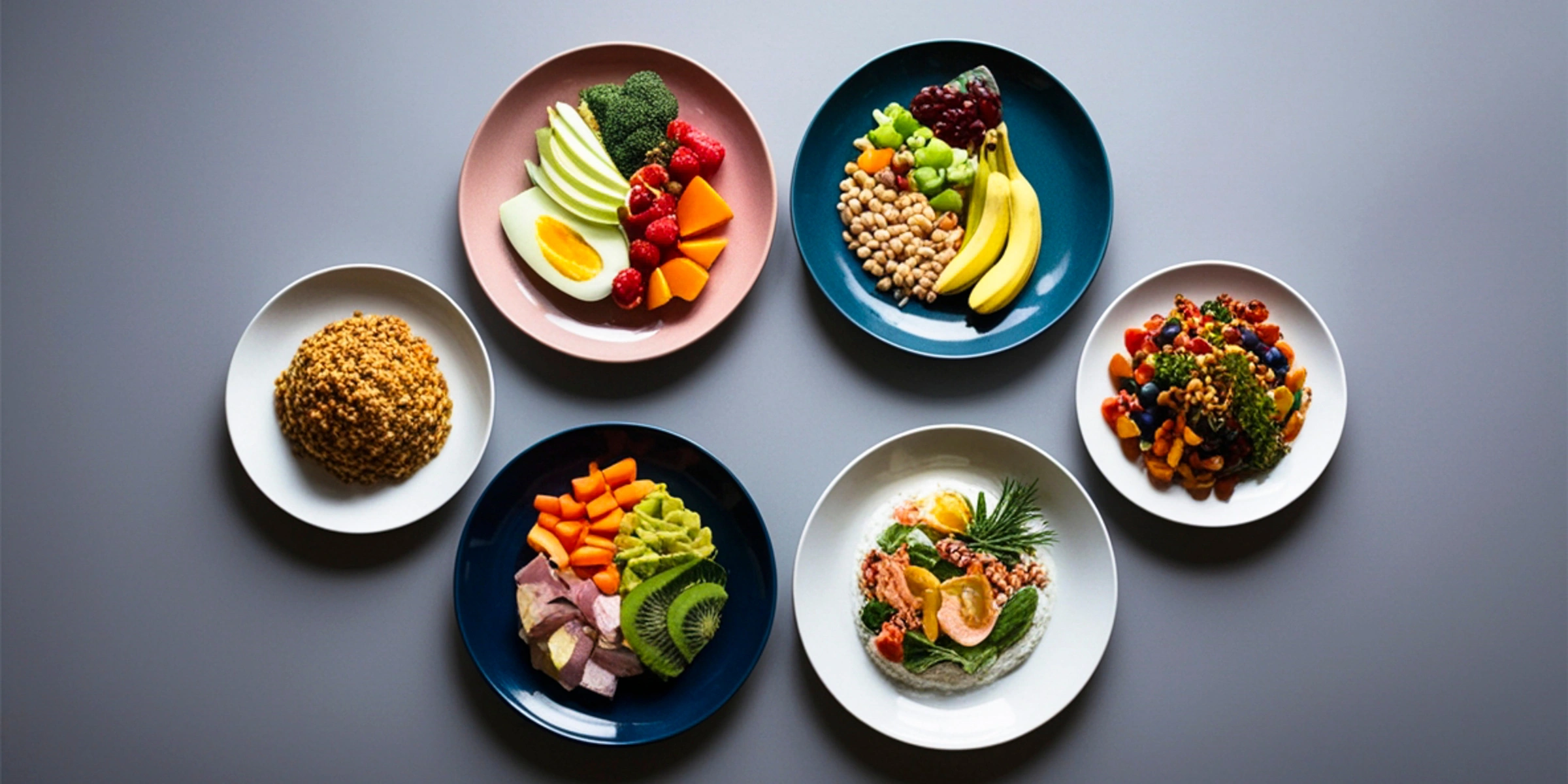
To build a balanced plate, it’s essential to understand the right portion sizes and how different food groups contribute to your overall health. Aim for half your plate to be filled with fruits and vegetables, which provide vital vitamins and fiber.
The other half should include lean proteins, like chicken or beans, and whole grains, such as brown rice or quinoa.
For portion sizes, think of your plate as divided into thirds. Each third can represent a different food group, balancing your nutrients.
Keep proteins to about a quarter of your plate, grains to another quarter, and load up on veggies. This approach ensures you get a variety of nutrients while maintaining appropriate portion sizes for optimal health.
Tips for Sustainable Healthy Eating Habits
Sustainable healthy eating habits not only benefit your body but also support the environment. Start by choosing local and seasonal produce; it’s fresher and reduces carbon footprints.
Incorporate more plant-based meals into your diet; lentils, beans, and vegetables are nutritious and often cheaper than meat. When you do buy meat, opt for grass-fed or pasture-raised options, prioritizing quality over quantity.
Reduce food waste by planning your meals and using leftovers creatively. Make a habit of reading labels to avoid overly processed foods, which can harm your health and the planet.
Lastly, stay hydrated with water instead of sugary drinks; it’s healthier and more sustainable. By making these small changes, you’ll cultivate lasting habits that benefit both you and the Earth.
Conclusion
Incorporating a balanced diet into your life is a simple yet powerful way to enhance your health. By filling half your plate with fruits and veggies, choosing lean proteins, and opting for whole grains, you’ll nourish your body and feel your best. Remember, small changes lead to sustainable habits. Embrace this journey towards better eating, and you’ll not only improve your well-being but also contribute to a healthier planet. Start today, and enjoy the benefits that come with it!